Thermal Treatment for Bed Bugs: A Complete Guide to a Bug-Free Living Space
Heat treatment for bed bugs has become an effective, chemical-free option for homeowners. This technique successfully elevates temperatures to destroy all developmental stages of these parasites. Grasping its process and advantages is crucial for homeowners dealing with infestations. Thorough preparation and post-treatment maintenance can substantially affect results. Still, numerous homeowners miss key steps. What actions are needed to secure a durable, pest-free living space? Exploring these aspects can provide clarity and guidance.
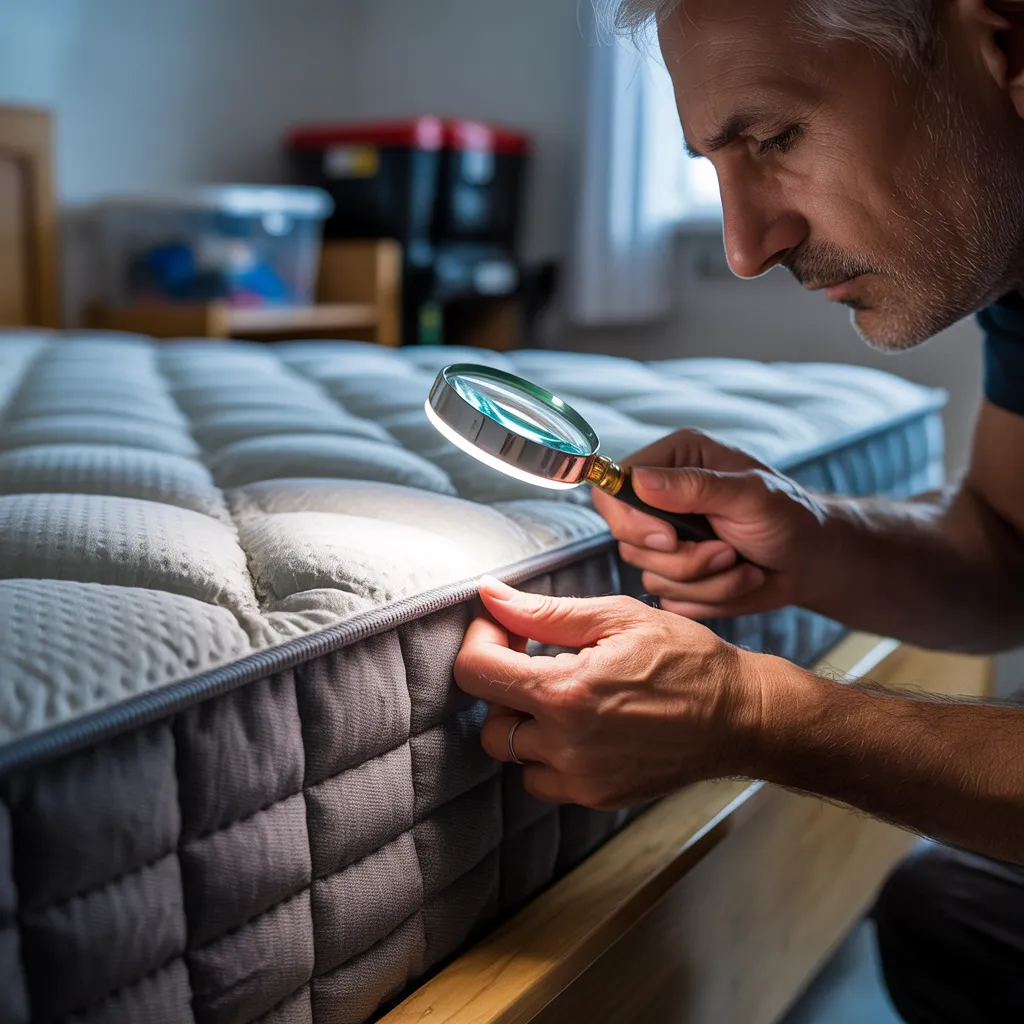
Why Bed Bugs Pose a Serious Threat to Homeowners
Even though bed bugs can seem like a small problem, they create substantial challenges for property owners. These pests, which can rapidly multiply, create anxiety and discomfort due to their nocturnal feeding habits. Bites from these insects can cause allergic reactions and subsequent infections, making removal critically important. Additionally, bed bugs are notoriously difficult to eliminate; they can hide in tiny crevices and survive without feeding for extended periods.
The negative stigma linked to bed bug infestations can further influence property values and rental prospects. Homeowners frequently experience considerable financial hardship from ongoing treatment efforts and potential losses in hotel and lodging environments. In addition, the psychological impact of dealing with an infestation can lead to stress and sleepless nights.
How Does Heat Treatment Eliminate Bed Bugs?
Heat treatment efficiently destroys bed bugs by raising the temperature in infested areas to temperatures that are deadly for these insects. Generally, this process requires warming a room or area to a sustained temperature between 120°F and 140°F (49°C to 60°C). Under these conditions, bed bugs, including their eggs and nymphs, cannot endure for sustained periods of time.
The process requires professional-grade equipment to guarantee uniform heat dispersal, accessing all locations where bed bugs are likely to shelter, such as furniture, mattresses, and wall crevices. It is essential to track the temperature during the entire treatment process to confirm effectiveness.
Heat treatment is a chemical-free method, which makes it both environmentally friendly and safe for home use. However, it necessitates thorough preparation, including the removal of heat-sensitive items and verifying that the treated space is sealed to preserve the elevated heat levels. This approach not only eliminates visible bugs but also reaches concealed populations, offering a thorough and complete resolution to pest infestations.
Benefits of Heat Treatment for Bed Bugs Compared to Other Methods
The benefits of heat treatment for bed bugs are evident when measured against standard pest control techniques. As opposed to chemical methods, heat effectively eliminates every life stage of bed bugs, including eggs, larvae, and adults, providing thorough extermination. This technique works deep within furniture, walls, and bedding, reaching temperatures lethal to these pests.
In addition, heat treatment is environmentally friendly, as it avoids the use of toxic chemicals that can be hazardous to the health of humans and pets. It also lowers the risk of pest resistance, a prevalent concern with chemical-based methods, as bed bugs are unlikely to survive intense heat.
Furthermore, heat treatment methods generally need only one visit, reducing the time and cost associated with multiple rounds of chemical treatment. In summary, heat treatment proves to be a complete, efficient, and more reliable alternative for ensuring a bug-free home.
How to Set Up Your Home for Effective Heat Treatment
Setting up a home for successful heat treatment against bed bugs encompasses several important considerations. To begin, it is critical to declutter the treatment space to guarantee complete heat penetration. Additionally, shielding heat-vulnerable belongings is important to avoid damage throughout the treatment.
Ready The Treatment Area
A thorough preparation of the treatment area is vital for efficient heat treatment against bed bugs. Property owners should begin by clearing the space, taking away any unnecessary belongings that may hinder the treatment process. Furniture should be moved away from walls, permitting heat to move freely throughout the space. Bedding, clothes, and personal possessions need to be removed to prevent damage and ensure complete heat penetration. It is also advisable to vacuum the area to remove any present bed bugs and their eggs before treatment. As a final step, closing windows and doors minimizes heat escape, improving the overall efficiency of the treatment. relevant resource Thoroughly preparing the treatment area increases the likelihood of completely eliminating bed bugs and achieving a pest-free home.
Shield Heat-Vulnerable Products
Upon clearing the treatment zone, focus should shift to preserving heat-sensitive items. These belongings, including electronics, artwork, and certain fabrics, are susceptible to damage from the intense heat generated during treatment. It is crucial to locate and remove these items from the treatment zone. Unplug electronics and store them in a cooler area, as delicate fabrics may need to be relocated to a protected area. Additionally, medications, cosmetics, and any other items sensitive to heat must be securely stored away. Residents are encouraged to review the guidelines provided by manufacturers for specific belongings to confirm safe and appropriate storage. This proactive approach not only safeguards valuables but also enhances the effectiveness of the heat treatment process against bed bugs.
What to Expect During Heat Treatment
When undergoing thermal treatment for bed bugs, meticulous preparation is vital to guarantee effectiveness. Property owners can anticipate a systematic method that encompasses monitoring temperatures and ensuring that all areas are sufficiently heated. After the treatment, particular after-treatment actions will be needed to verify effectiveness and protect against future bed bug problems.
Getting Ready Before Treatment
Preparing for heat treatment involves a set of essential steps to secure effectiveness and safety. To begin, residents should clear the space to confirm all surfaces are available. Items such as bedding, clothing, and curtains need to be laundered in hot water and tumble dried on high heat to eliminate any concealed bed bugs. All furniture should be moved away from walls, and any temperature-sensitive items, like plants and electronics, should be taken away or protected. It is also important to advise pest control professionals about any particular concerns or infested areas. As a final step, residents should prepare for a temporary move during the treatment, as the heat will rise substantially, making the environment inhospitable for all occupants and pests.
Post-Treatment Follow-Up Procedures
When receiving heat treatment for bed bugs, occupants will experience a thorough and systematic process intended to completely remove the bed bugs. Once the treatment has concluded, the first step involves a cooling-down period, during which the treatment zones will progressively cool down to regular temperatures. Professionals will subsequently perform a detailed assessment to verify that all bed bugs along with their eggs have been completely removed. Residents should monitor their home environments for any evidence of recurring activity including bite marks or dark spotting. It is advisable to wash all bedding and clothing to eliminate any residual pests. Furthermore, persistent monitoring is necessary; consistent evaluations and protective actions can contribute to preserving an infestation-free living area. Occupants might additionally be provided with guidelines for effective follow-up care.
How to Preserve a Bed Bug-Free Home Following Treatment
How is it possible to maintain a bed bug-free household after treatment? Maintaining a pest-free environment requires diligent practices. First, regular inspections of sleeping areas, furniture, and luggage can help identify any returning pests. Regular vacuuming, especially in spots where bed bugs are likely to conceal themselves, is critically important. Employing a vacuum fitted with a HEPA filter and disposing of the vacuum bag right after use is considered best practice.
Additionally, encasing mattresses and box springs in specially designed covers can protect against bed bug re-infestation. Reducing unnecessary clutter in the household minimizes harborage areas for bed bugs. Whenever traveling, individuals should thoroughly inspect hotel accommodations and ensure bags off the floor on racks.
To conclude, discussing bed bug awareness with those sharing your living space about bed bug awareness confirms that everyone is alert, cultivating a shared effort in avoiding infestations. By implementing these measures, one can substantially minimize the probability of a resurgence of bed bugs, guaranteeing a comfortable and bug-free household.
How to Prevent Future Bed Bug Infestations
To properly guard against future bed bug outbreaks, homeowners must implement preventive strategies that target common weak points. Frequent checks of sleeping spaces, including sleeping surfaces and bed structures, can assist in detecting initial indicators of bed bugs. Furthermore, protective covers for mattresses and box springs provide a protective barrier, making it difficult for bed bugs to thrive.
Decluttering your living space eliminates hiding places and simplifies the cleaning process. Staying alert during travel is also critically important; checking hotel rooms and luggage before returning home can prevent the introduction of bed bugs. Regularly cleaning bedding and garments in hot water further lowers the likelihood of a reinfestation.
It is also important for homeowners to learn about bed bug habits and indicators of infestation. By integrating these methods into their daily habits, homeowners can develop a living space that discourages bed bug activity, significantly lowering the chances of future infestations.
Questions and Answers
Can I Remain at Home During Heat Treatment?
When considering heat treatment for bed bugs, it is generally advised to vacate the home. High temperatures can be dangerous, as staying inside could lead to serious health concerns. Professional guidance will provide specific recommendations for safety.
How Much Time Does Heat Treatment Require to Finish?
Heat treatment typically takes six to eight hours to finish, based on how severe the infestation is and the size of the affected area. Post-treatment inspections may take place after completion to confirm the complete success and thoroughness of the process.
Are There Any Health Hazards Associated With Heat Treatment?
Bed bug heat treatment usually carries limited health concerns. However, individuals with respiratory issues or sensitivities may experience discomfort. Taking appropriate precautions with expert assistance guarantee protection throughout the process, reducing possible risks.
Will Heat Treatment Damage My Belongings?
Heat treatment may potentially harm temperature-sensitive items, such as certain fabrics, electronics, or artwork. However, most items withstand the process if appropriately managed, highlighting the need to address any concerns with a pest control expert prior to treatment.
What Is the Typical Cost of Heat Treatment?
Heat treatment costs typically range from $300 to $1,500, based on how severe the infestation is and how large the treated area is. Additional elements such as geographic location and the chosen service provider can affect the total cost.
Comments on “Guaranteed Bed Bug Exterminator Services Near You”